
Prolapse Research
Understanding Prolapse: Strength is Your Best Defense
If you’ve been told you have pelvic organ prolapse (POP), it can feel overwhelming. However, clinical research consistently shows that specialized Pelvic Floor Muscle Training (PFMT) is the most effective, non-invasive first-line treatment for mild to moderate cases.
Think of your pelvic floor muscles as a built-in support system. By strengthening these muscles, we can often reduce the severity of the prolapse, manage your symptoms, and—in many cases—delay or entirely prevent the need for surgery.
How Pelvic Floor Therapy Can Change the "Stage"
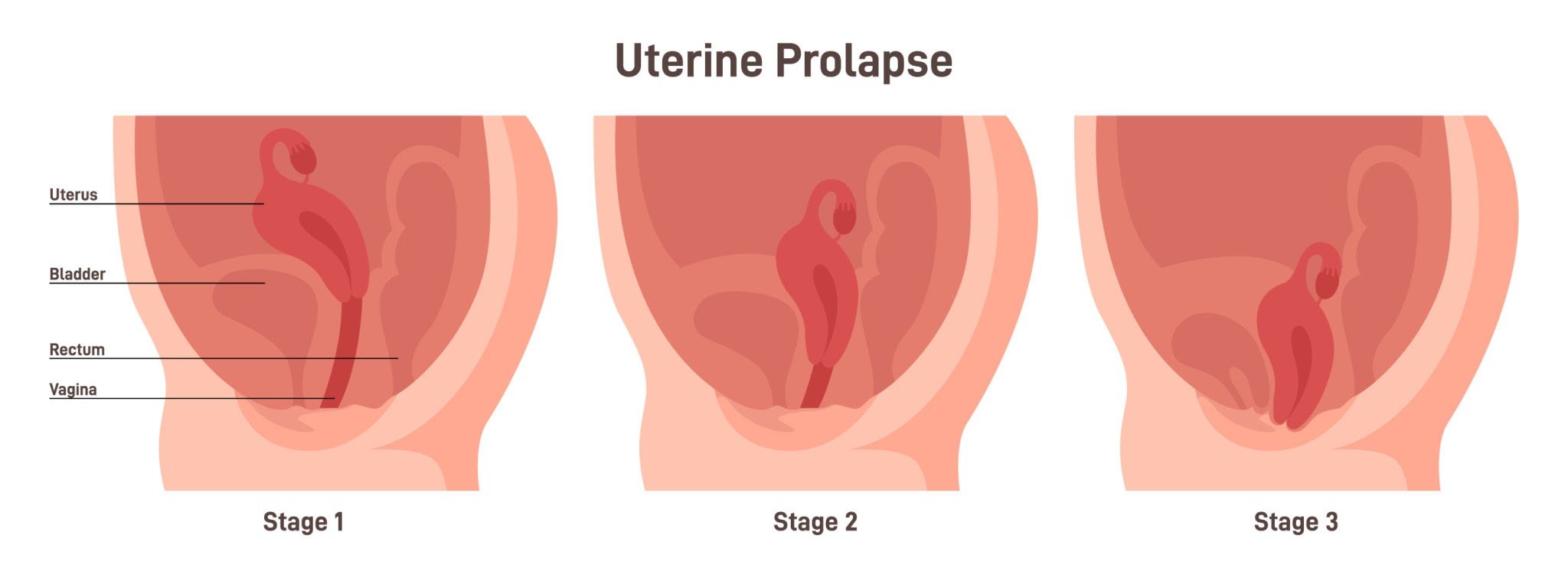
Prolapse is often measured in stages based on how much the organs have shifted. The good news? Your body is adaptable.
Muscle Remodeling: Targeted training helps "lift" and support the pelvic organs by strengthening the structural "shelf" they rest on.
Proven Results: High-level clinical trials (like the famous POPPY Trial) have proven that individualized therapy significantly reduces symptoms and can actually improve the physical "stage" of the prolapse.
Quality of Life: A major Cochrane Review confirmed that women who engage in specialized Pelvic Floor Muscle Training report a much higher quality of life and fewer bothersome symptoms.
Why a Guided Approach is the "Gold Standard"
While you might have heard of these exercises before, how you perform them is everything. Research indicates that guided, individualized therapy is significantly more effective than trying to navigate exercises alone.
→ The Expert Recommendation: The American College of Obstetricians and Gynecologists (ACOG) emphasizes that conservative treatments like physical therapy should always be attempted before considering surgical options.
You Are in Control of Your Recovery
A diagnosis of prolapse doesn't have to mean a lifetime of discomfort or an inevitable surgery. With a low-risk, high-reward intervention like pelvic floor therapy, you can take an active role in your healing.
References:
Hagen, S., & Stark, D. (2011). Conservative management of pelvic organ prolapse in women.
Braekken, I. H., et al. (2010). Can pelvic floor muscle training reverse pelvic organ prolapse and reduce prolapse symptoms?
Hagen, S., et al. (2014). Individualised pelvic floor muscle training in women with pelvic organ prolapse (POPPY trial).
ACOG Practice Bulletin No. 214 (2019). Pelvic Organ Prolapse.
King, J. K., et al. (2015). The power of guided therapy in muscle remodeling.