
Core and Muscle Training Research
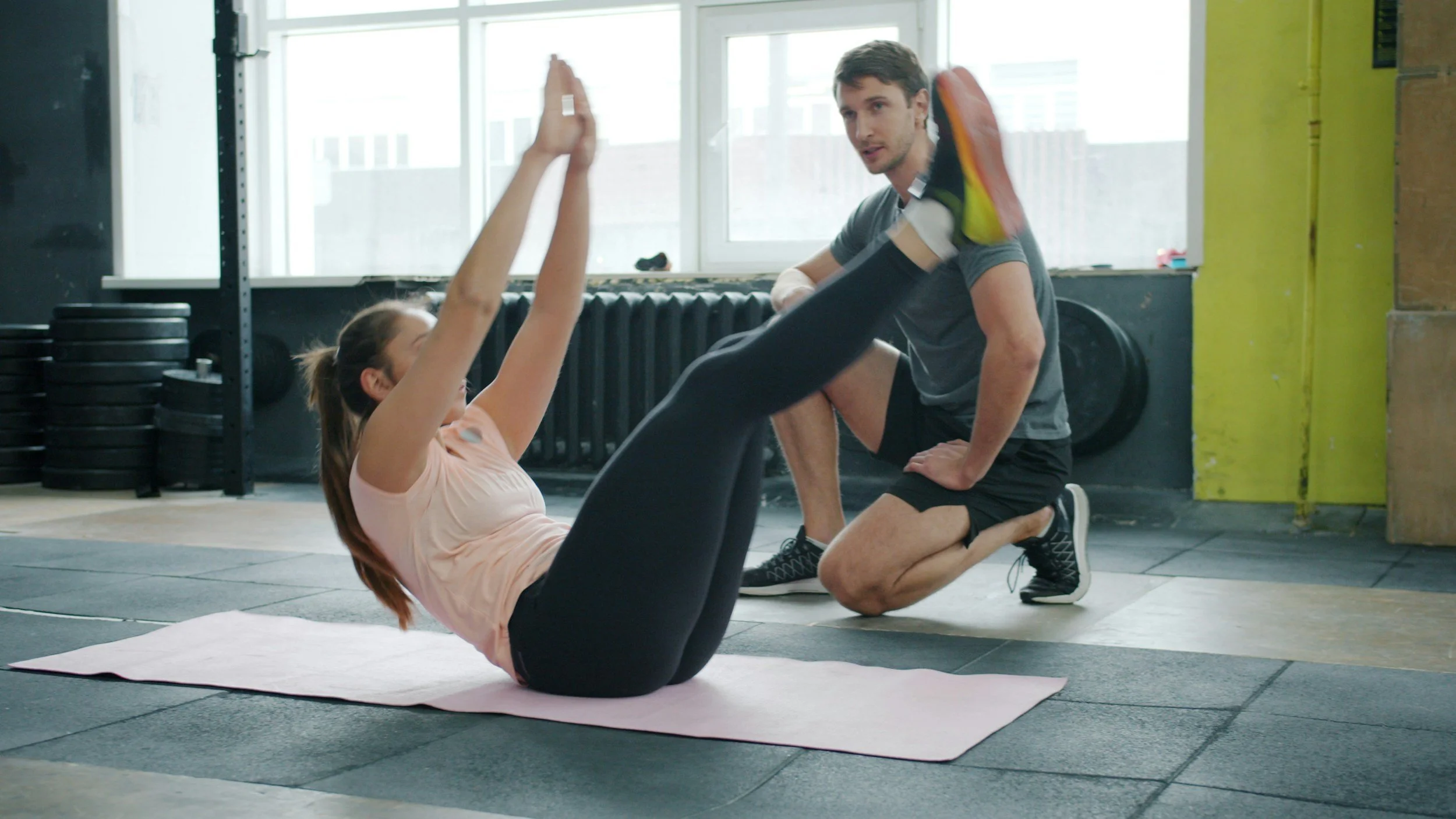
More Than Just Strength: Retraining Your Core
Postpartum recovery is often talked about in terms of "getting your body back," but the science shows that the real goal is reconnecting your brain to your muscles. Pregnancy and delivery naturally change muscle length and nerve sensitivity, which can disrupt the way your pelvic floor muscles naturally fire.
To move without pain or leakage, we have to restore your "Core Cylinder"—the synchronized team consisting of your diaphragm (breathing muscle), your deep abdominals, and your pelvic floor.
It’s All About the "Pre-Activation"
In a healthy, coordinated body, your core muscles are actually mind-readers. Research in neuromuscular control shows that your pelvic floor and deep abs are designed to "pre-activate." This means they should contract slightly before you lift your baby, jump, run, or sneeze, protecting your spine and managing internal pressure automatically. Sometimes our bodies lose this coordination and need guidance, through pelvic floor therapy, to gain this back.
Timing Over Tension: Studies show that the timing of your muscle contraction is actually more important for stability than how hard you can squeeze. This is why Kegals don’t always help!
The Brain-Body Connection: We don't just give you exercises to make muscles bigger; we give you exercises that teach your nervous system how to protect your body during real-life movements.
Why a Tailored Approach is Essential
Because every birth story is different, a "one-size-fits-all" postpartum workout can sometimes do more harm than good. The American College of Obstetricians and Gynecologists (ACOG) advocates for individualized exercise programs to account for the specific changes your body has undergone.
Evidence-Based Success:
Systematic reviews confirm that therapist-led programs lead to much better functional outcomes.
Bridging the Gap:
We provide the essential "middle step" between early postpartum healing and safely returning to high-impact exercise, running, heavy lifting at the gym, or fufilling all the activities required as a mom.
Relearn Your Strength
You don't need to "power through" movements that feel unstable. Let me help you retrain your core to work as the powerful, coordinated system it was meant to be.
References:
Hodges, P. W., & Sapsford, R. (2007). Postural and respiratory functions of the pelvic floor muscles.
ACOG Committee Opinion No. 804 (2020). Physical Activity and Exercise During Pregnancy and the Postpartum Period.
Davenport, M. H., et al. (2018). Impact of postpartum exercise on functional outcomes: A systematic review.